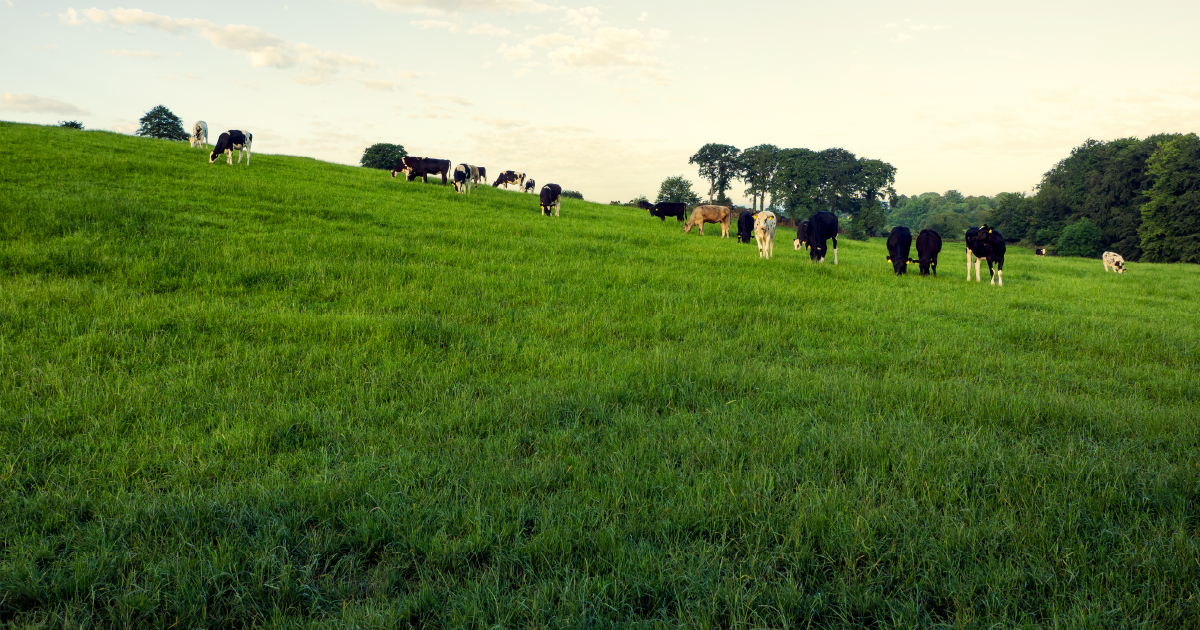
With the spiralling costs of fertiliser this year, more dairy farmers are looking at ways of increasing slurry or manure utilisation and growing more forage from less. Most farms appreciate the value of slurry and use it efficiently, but it is possible to further improve utilisation whilst increasing your farms forage utilisation or milk from forage figure – which is where the true value lies.
Sustainability is a key part of our business, with our mission being to help farmers feed the UK in a more sustainable way. As a business, we are working towards becoming carbon net zero and aim to support our customers with products and services that help drive sustainability and efficiencies. Through our feed division we have made the following commitments:
Making the most of grass, planning winter forage ahead of time and focusing on heifers are three non-negotiables for a profitable suckler business this year and longer-term.
In episode seven of the Wynnstay Agri-hub podcast, Tony and I discuss what suckler beef businesses should focus on to enable profitability. Although input costs are unprecedentedly high, the current price of beef is buoyant, with good cull cow, finishing and store beef prices.
Wet and mild conditions over the winter can lead to higher fly populations in the spring, which is why it is important for dairy farmers to act early to control the pest while the majority of the population are yet to hatch.
Congratulations to the Albutt Family of Winchcome who recently won our January prize draw in conjunction with QLF. The family chose the prize of an IBC of L-CBF BOOST as they already use QLF Allstock Lite molasses.
Louse populations are highest in cattle kept indoors during the winter and severe infestations can lead to the disruption of feeding patterns, self-inflicted trauma and reduced weight gain. It is important to consider lice control at housing to prevent welfare issues and production losses.
Conversations about mental health can be difficult to approach, but charities like the Royal Agricultural Benevolent Institution (RABI) can provide a range of support to farming people who take the first step and reach out.
In the latest episode of the Wynnstay Agri-Hub podcast, I was joined by RABI’s chief executive, Alicia Chivers, who shared the importance of normalising conversations about wellbeing amongst farmers to help prevent them reaching crisis point.
With the dairy industry increasing the use of sexed semen, and research indicating there may be environmental benefits to crossbred calves, rearing dairy-bred beef calves can be an attractive option.
Recent silage analysis from across the country has show variation in nutrient analysis, this may pose feeding challenges to farmers this Autumn and consideration needs to be given to balancing the ration to optimise rumen health and maintain performance
Minerals are necessary to sustain life but you might be surprised by how many cow and calf operations are mineral deficient, especially when it comes to copper and Selenium. Here is our guide to minerals and the roles they play in keeping your livestock healthy.